Made to Order
On-Demand Printing
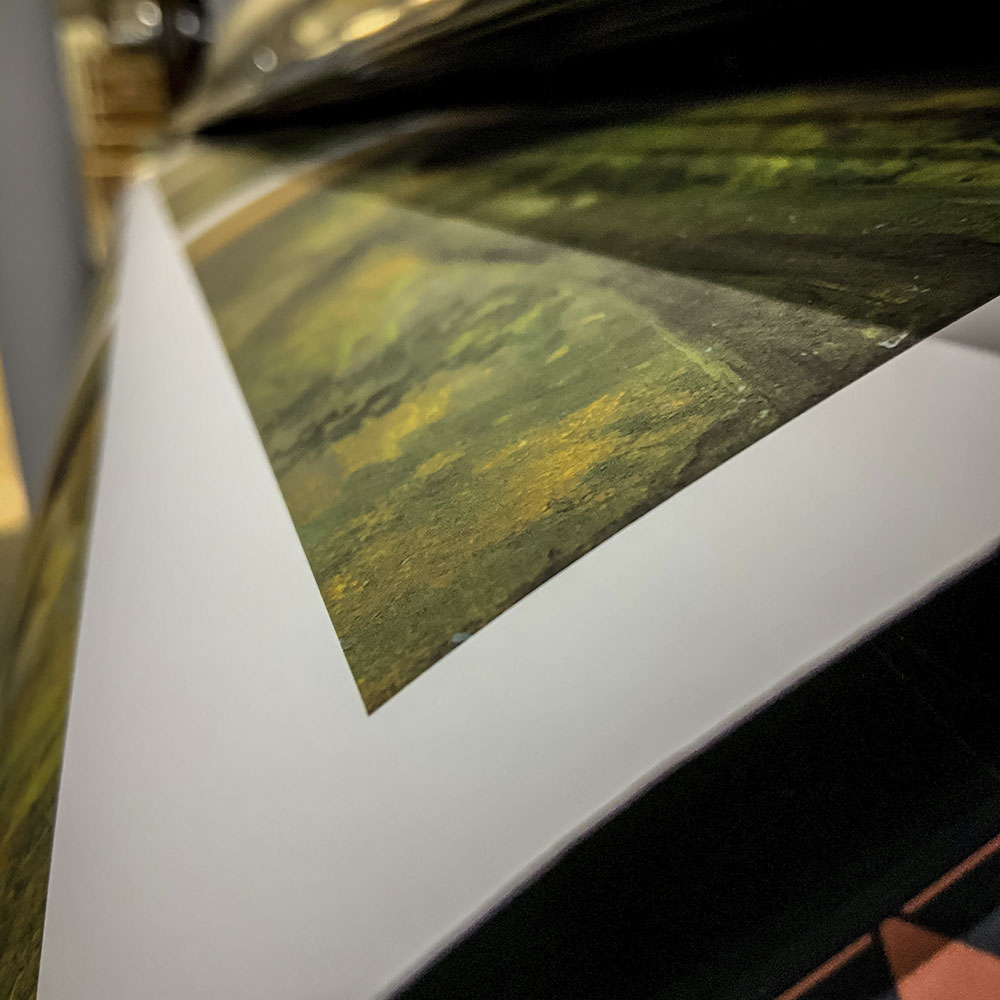
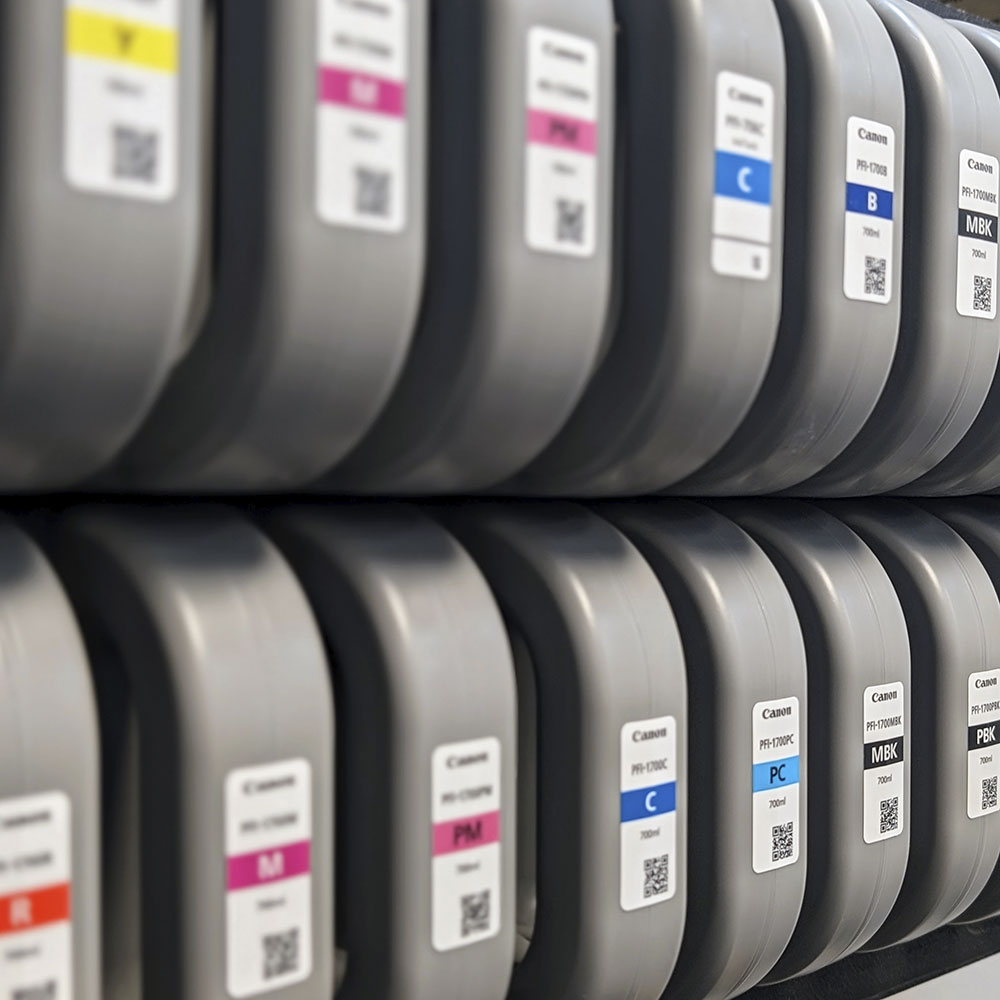
All products are produced on-demand, in accordance with stringent production protocols designed to ensure consistent and superior quality.


Paul Klee’s persistent shifts in style, technique, and subject matter indicate a deliberate and highly playful evasion of aesthetic categorization. Nevertheless, it is virtually impossible to confuse a work by Klee with one by any other artist, even though many have emulated his idiosyncratic, enigmatic art. So accepted was his work that Klee was embraced over the years by the Blue Rider group, the European Dada contingent, the Surrealists, and the Bauhaus faculty, with whom he taught for a decade in Weimar and Dessau.
As part of the early 20th-century avant-garde, Klee formulated a personal abstract pictorial language. Although much of his work is figurative, compositional design nearly always preceded narrative association. The artist often transformed his experiments in tonal value and line into visual anecdotes. Red Balloon, for example, is at once a cluster of delicately colored, floating geometric shapes and a charming cityscape.