Made to Order
On-Demand Printing
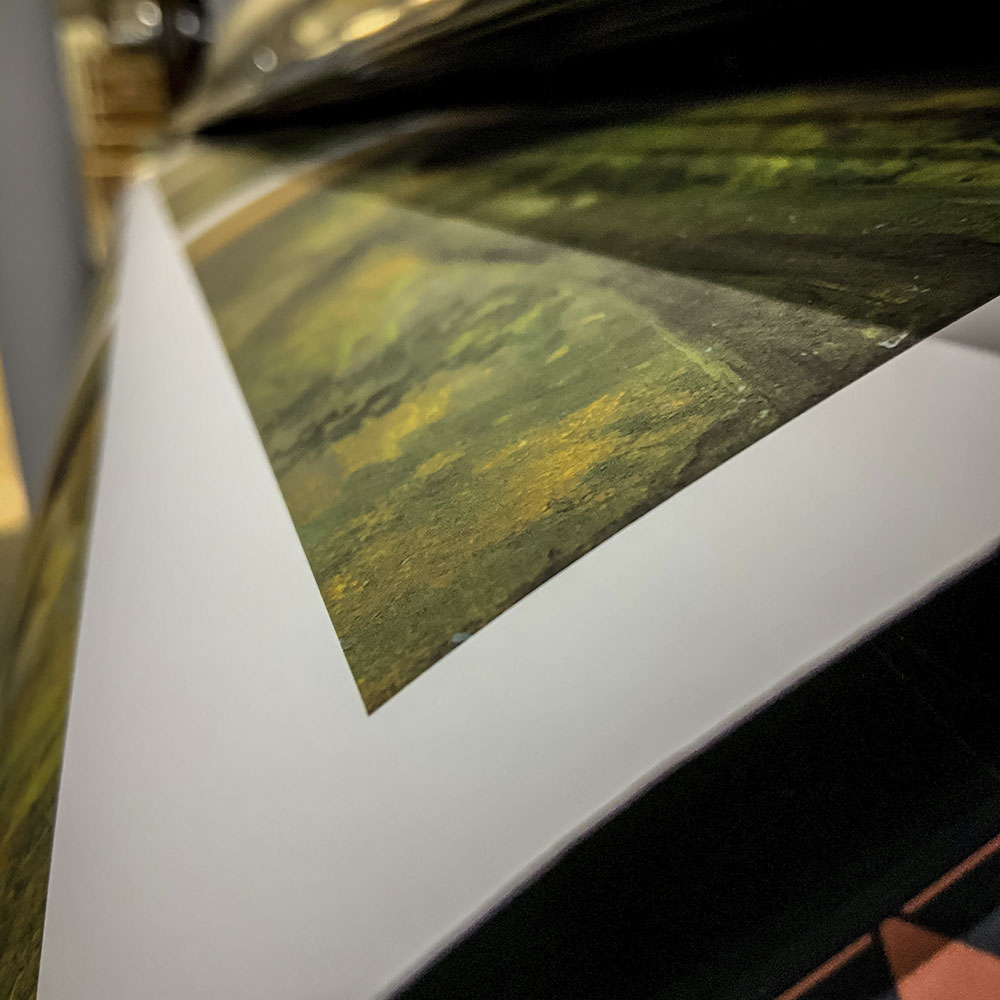
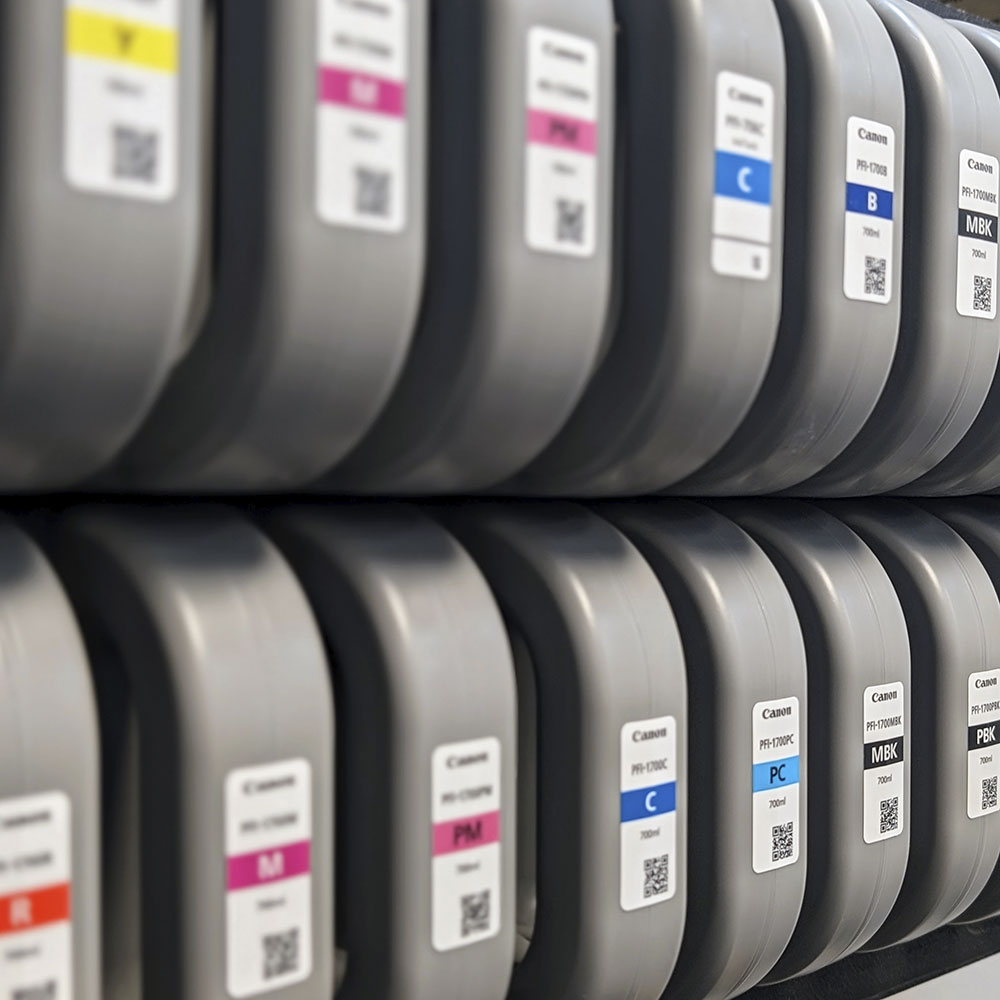
All products are produced on-demand, in accordance with stringent production protocols designed to ensure consistent and superior quality.


Vasily Kandinsky’s use of the horse-and-rider motif symbolized his crusade against conventional aesthetic values and his dream of a better, more spiritual future through the transformative powers of art. The rider is featured in many woodcuts, temperas, and oils, from its first appearance in the artist’s folk-inspired paintings, executed in his native Russia at the turn of the century, to his abstracted landscapes made in Munich during the early 1910s. The horseman was also incorporated into the cover designs for Kandinsky’s theoretical manifesto of 1911, On the Spiritual in Art, and the contemporaneous Blue Rider Almanac, which he coedited with Franz Marc.
In 1909, the year he completed Blue Mountain, Kandinsky painted no less than seven other canvases with images of riders. In that year his style became increasingly abstract and expressionistic and his thematic concerns shifted from the portrayal of natural events to apocalyptic narratives. By 1910 many of the artist’s abstract canvases shared a common literary source, the Revelation of Saint John the Divine; the rider came to signify the Horsemen of the Apocalypse, who will bring epic destruction after which the world will be redeemed.
Nancy Spector